Frequently Asked Questions: Everything You Need to Know About Dental Crowns
A healthy, fully functional smile is essential not only for your confidence but also for your overall health. Sometimes accidents, decay, or wear can compromise a tooth's integrity, making dental crowns a vital restorative option.
At The Tabas Center for Advanced Dentistry, Dr. Norman Tabas and his highly trained team provide comprehensive general dentistry and restorative care, including dental crowns. Our goal is to ensure every patient receives personalized treatment in a supportive, professional environment where comfort and long-term dental health are priorities.
In this guide, we answer frequently asked questions about dental crowns, discuss their benefits, explain the procedure, and explore alternatives to help you make an informed decision for your smile.
What Are Dental Crowns?
A dental crown is a tooth-shaped cap placed over a damaged, decayed, or weakened tooth to restore its shape, size, strength, and appearance. Crowns are made from durable materials such as porcelain, ceramic, or metal alloys, and are customized to match the color and contour of your natural teeth.
Crowns serve multiple purposes in general dentistry:
- Protect a tooth after a root canal
- Restore a fractured or severely decayed tooth
- Improve cosmetic appearance
- Anchor a dental bridge
Dental crowns provide a long-lasting solution that helps preserve your natural bite and prevent further oral health issues.
Who Needs a Dental Crown?
Dental crowns are recommended for patients with one or more of the following conditions:
- Severely decayed teeth that cannot be restored with fillings
- Fractured or broken teeth due to trauma
- Worn-down teeth from bruxism or age
- Discolored or misshapen teeth requiring cosmetic enhancement
- Teeth supporting bridges or implants
At The Tabas Center, we evaluate each patient’s oral health to determine if a crown is the most effective solution. Crowns are not only restorative but also protective, preserving the underlying tooth structure.
Types of Dental Crowns
Dental crowns come in several types, each with unique benefits depending on the patient’s needs:
- Porcelain Crowns: Ideal for front teeth due to their natural appearance and color-matching capabilities.
- Ceramic Crowns: Strong and aesthetically pleasing, often used for patients with metal allergies.
- Metal Crowns: Highly durable, typically recommended for molars where strength is critical.
- Porcelain-Fused-to-Metal Crowns: Combines strength and aesthetics, suitable for both front and back teeth.
Choosing the right material depends on location in the mouth, aesthetic goals, and functional needs. Your dentist will discuss the most suitable option during your consultation.
Dental Crown Procedure: What to Expect
Getting a dental crown typically involves two visits to the dentist:
Step 1: Evaluation and Preparation
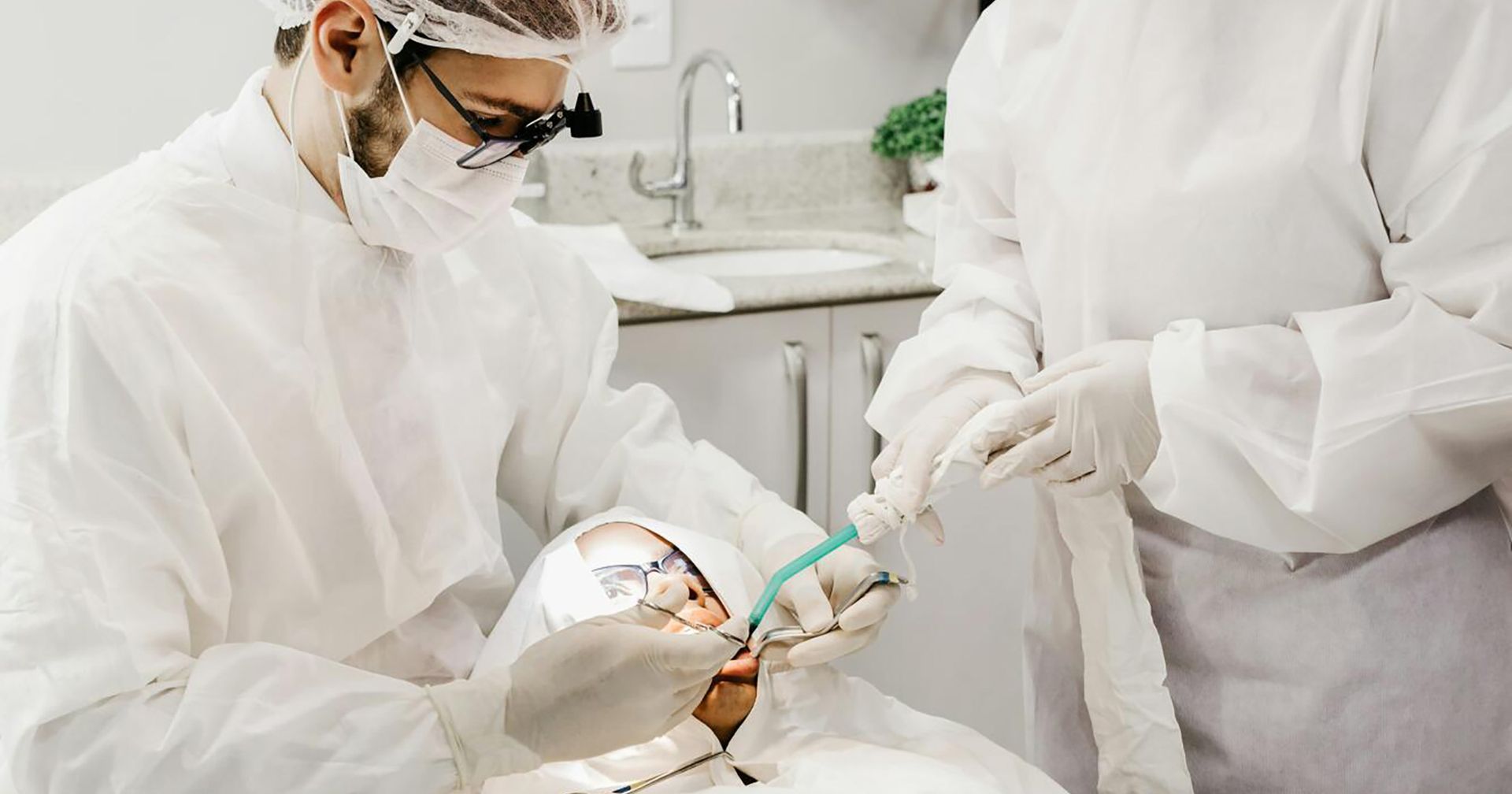
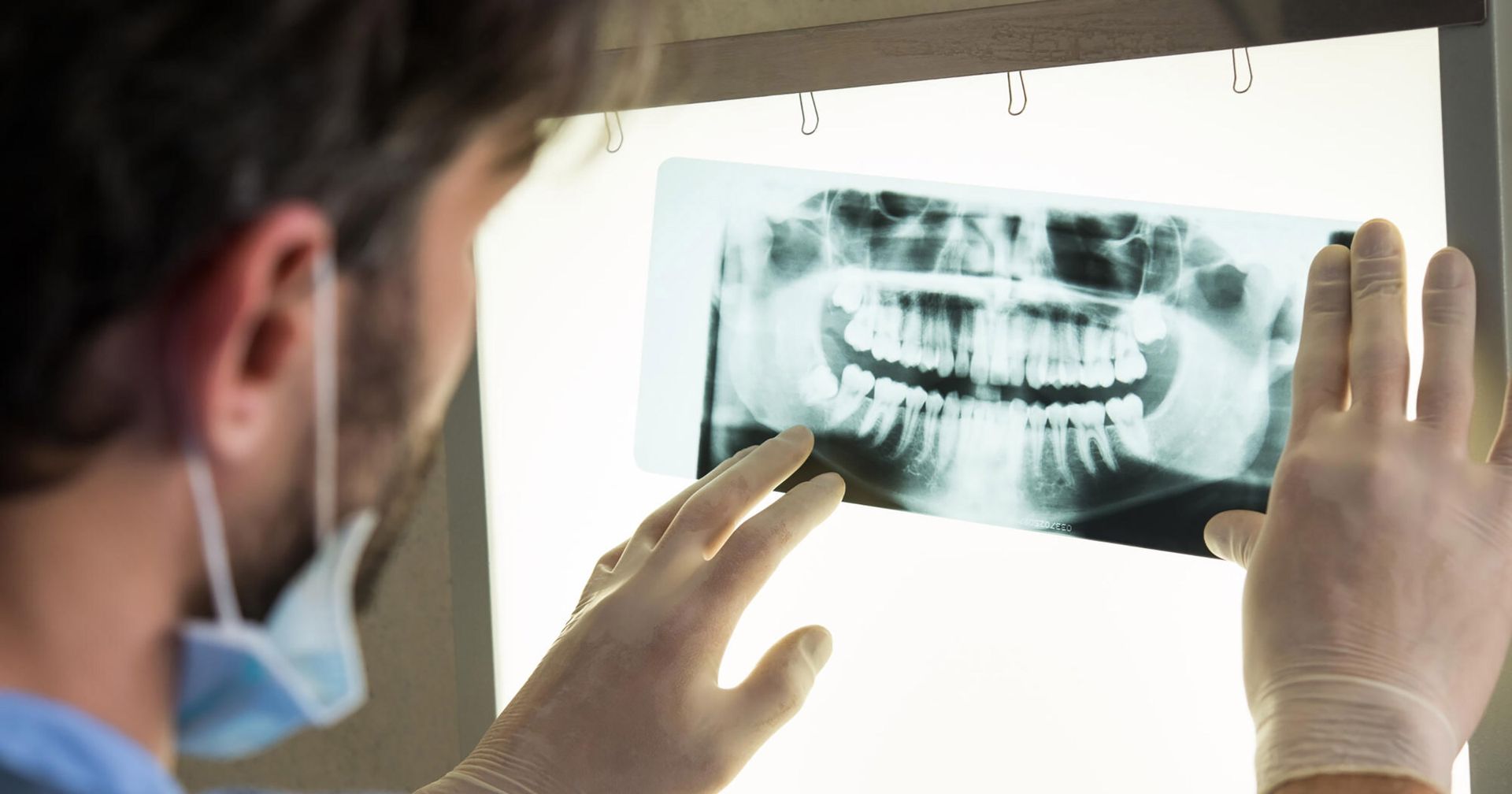
During your first appointment, your dentist examines the tooth, takes X-rays, and prepares it for the crown. Preparation often involves removing any decay and shaping the tooth to accommodate the crown.
If the tooth is severely damaged, a post may be placed inside the root for additional support.
Step 2: Temporary Crown
A temporary crown is placed over the tooth to protect it while your permanent crown is fabricated. This ensures that you maintain normal function and appearance during the interim.
Step 3: Permanent Crown Placement
Once the permanent crown is ready, your dentist will remove the temporary crown and securely bond the permanent crown. Adjustments are made to ensure a comfortable bite and natural appearance.
At The Tabas Center, we use advanced techniques to ensure precision and patient comfort throughout the procedure.
Benefits of Dental Crowns
Dental crowns are a versatile solution for restoring both the function and appearance of your teeth. Here’s why investing in dental crowns can be a smart choice:
1. Protect and Strengthen Damaged Teeth
Crowns act as a protective cap, shielding weakened or decayed teeth from further damage. They distribute bite pressure evenly, preventing cracks and breaks while restoring the tooth’s natural strength.
2. Restore Your Smile Aesthetically
Modern dental crowns are made from materials like porcelain or zirconia that closely match the color, shape, and translucency of natural teeth. This allows you to smile confidently without worrying about gaps, discoloration, or uneven teeth.
3. Long-Lasting Durability
With proper care, crowns can last anywhere from 10 to 20 years or more. Their resilience makes them an excellent long-term solution for both molars, which handle significant chewing pressure, and front teeth that impact your appearance.
4. Improve Chewing and Speaking
A damaged or missing tooth can affect your ability to chew food properly or articulate certain words clearly. Dental crowns restore normal bite and function, making it easier to eat a variety of foods and speak comfortably.
5. Prevent Further Oral Health Issues
By covering a vulnerable tooth, crowns help prevent decay, infection, and misalignment in surrounding teeth. They can also be used in conjunction with dental bridges to fill gaps, supporting the overall health of your mouth.
Caring for Your Dental Crowns
Proper care is essential to ensure that your dental crowns last for many years. While crowns are designed to be durable, they still require attention similar to your natural teeth. Here’s how you can maintain them:
1. Practice Good Oral Hygiene
Brush your teeth at least twice a day using a soft-bristled toothbrush and fluoride toothpaste. Make sure to clean around the crown carefully, paying attention to the gumline where plaque can accumulate. Floss daily, but be gentle near the crown to avoid loosening it. For added protection, consider using an antibacterial mouthwash to reduce the risk of decay around the crowned tooth.
2. Avoid Hard or Sticky Foods
Although dental crowns are strong, they are not indestructible. Chewing hard foods such as ice, hard candy, or nuts can cause cracks or chips in your crown. Sticky foods like caramel or taffy may pull on the crown and weaken the bonding. Being mindful of your diet helps extend the life of your crown significantly.
3. Wear a Night Guard if Necessary
If you grind or clench your teeth at night—a condition known as bruxism—your dental crowns may wear down faster. Your dentist can provide a custom night guard to protect your crowns from excessive pressure, reducing the risk of damage.
4. Regular Dental Checkups
Routine dental visits allow your dentist to monitor the condition of your crowns. Professional cleanings help prevent gum disease, and your dentist can identify any early signs of wear or loosening. Typically, checkups every six months are recommended, but your dentist may suggest a schedule tailored to your oral health needs.
Alternatives to Dental Crowns
Depending on the extent of tooth damage, there are several alternatives to consider if a dental crown isn’t the ideal solution:
- Dental Bonding: For minor chips, cracks, or cosmetic imperfections, dental bonding is a minimally invasive option. This procedure is ideal for small restorations and can often be completed in a single visit. Learn more about these cosmetic solutions in our Dental Bonding Guide.
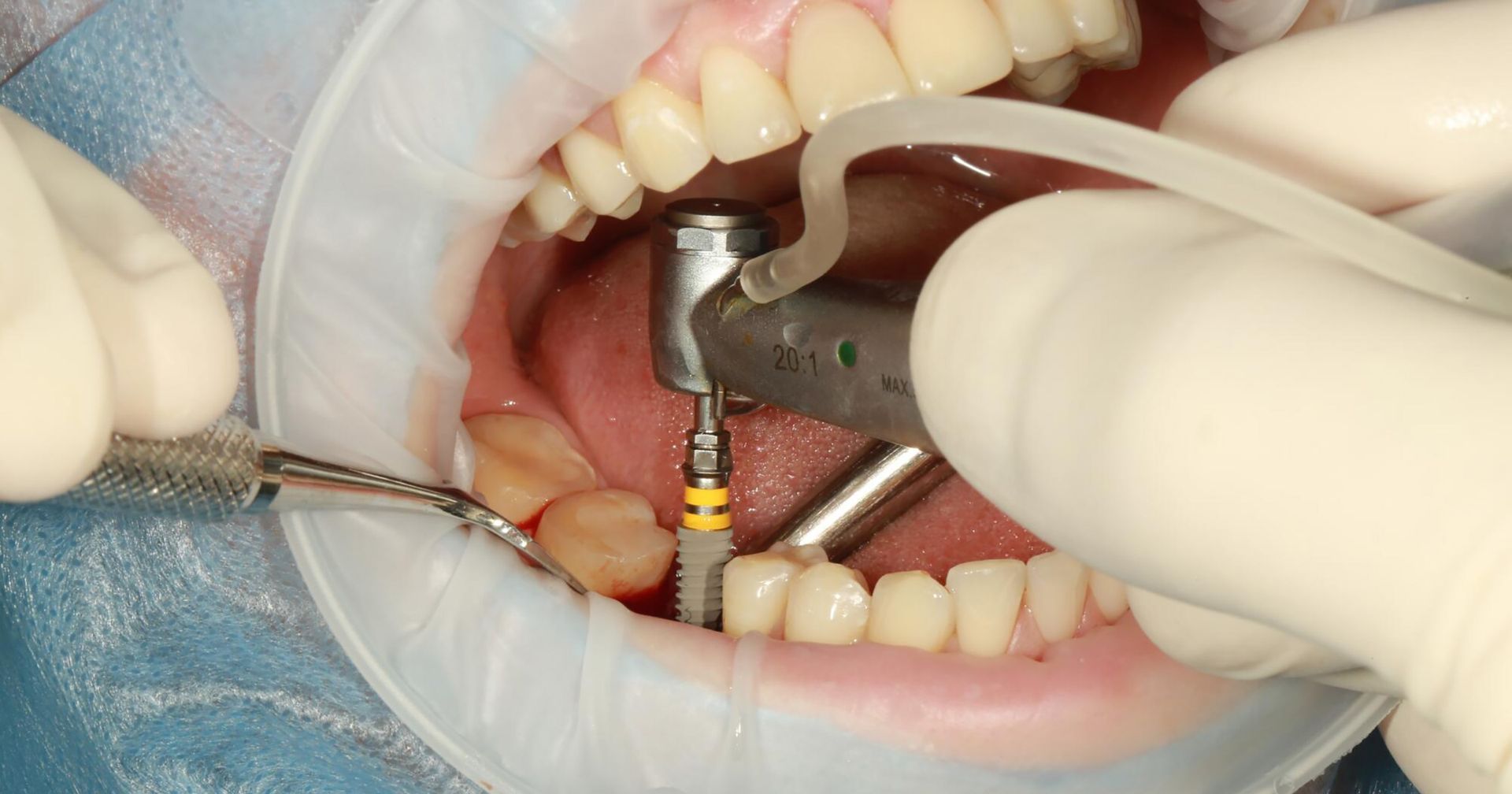
- Dental Implants: If the tooth is beyond repair, an implant may replace it entirely. This option restores full chewing ability and looks indistinguishable from natural teeth. Explore the full range of implant options in our Dental Implants Spotlight.
- Dental Bridges: Bridges are designed to replace one or more missing teeth by anchoring to adjacent healthy teeth. They restore bite function, maintain facial structure, and prevent neighboring teeth from shifting. To determine which solution is right for you, see our pages on Dental Bridge and Dental Implants vs. Bridges.
- Partial or Full-Mouth Reconstruction: For patients with extensive dental damage, combining multiple treatments—including crowns, implants, bridges, and bonding—may be necessary to help restore a healthy, balanced smile. Learn more about comprehensive restoration in our Full Mouth Reconstruction overview.
Your dentist can help you determine the best restorative plan for long-term dental health and functionality.
Choosing the Right General Dentist in South Philadelphia
Finding a dentist you can trust is critical for long-term oral health. When looking for general dentistry and restorative care, consider:
- Experience and Credentials: Dr. Norman Tabas and his team have extensive training in general, cosmetic, and restorative dentistry.
- Range of Services: From routine checkups to advanced restorative procedures, a comprehensive office ensures continuity of care.
- Patient Comfort: Modern dentistry should prioritize relaxation and stress-free treatment experiences.
- Community Reputation: Positive patient experiences and local recognition reflect trustworthiness. Check out our South Philadelphia Dental Office page for patient resources.
At The Tabas Center, we focus on personalized care, advanced technology, and building lasting relationships with our patients.
Frequently Asked Questions (FAQ)
Q: How long do dental crowns last?
A: With proper care, crowns can last 10–15 years or longer, depending on material, location, and oral hygiene habits.
Q: Are dental crowns painful?
A: The procedure is performed under local anesthesia, making it virtually pain-free. Minor sensitivity may occur afterward but typically resolves quickly.
Q: Can a dental crown fall off?
A: Crowns are securely bonded, but excessive force or decay at the underlying tooth can occasionally loosen them. Regular checkups help prevent this.
Q: Can crowns be whitened?
A: Crowns are made from materials that do not respond to traditional whitening. Any color adjustments must be done through replacement or polishing by your dentist.
Q: How do I know if I need a crown?
A: Signs include cracked, worn, or weakened teeth, persistent pain, or large fillings. Your dentist will evaluate your oral health and recommend the best solution.
Q: Are crowns covered by dental insurance?
A: Many plans provide partial coverage for restorative procedures. Our team can help verify your benefits before treatment.
Q: What’s the difference between a crown and a filling?
A: Fillings restore small areas of decay, whereas crowns cover and protect the entire tooth structure, offering superior strength for damaged teeth. Learn more about our
Dental Crown FAQs.
Schedule Your Dental Crown Consultation
Dental crowns can restore your teeth’s health, function, and appearance. At The Tabas Center for Advanced Dentistry, located in South Philadelphia, we specialize in providing personalized, comfortable, and technologically advanced care for patients needing restorative and preventive treatments.
Whether you need a single crown or a more comprehensive restoration, we will guide you every step of the way to achieve a strong, functional, and beautiful smile.
Contact us today to schedule a consultation and learn how dental crowns can protect your teeth while improving your smile. Visit
The Tabas Center for more information or to request your appointment with our South Philadelphia dental team.