Step-by-Step Guide to Preparing for Sinus Lifts
If you’re considering dental implants, you may have heard of the term “sinus lift.” This procedure is a crucial step for some patients who need implants in the upper jaw, but don't have enough bone to support them. Dr. Tabas, a trusted and experienced dental professional in South Philadelphia, specializes in helping patients restore their smiles with advanced treatments like sinus lifts and dental implants.
In this guide, we’ll break down the sinus lift procedure, as well as provide useful insights into dental implants, their benefits, and what to expect before, during, and after your treatment.
Understanding Dental Implants
Dental implants are one of the most advanced methods of tooth replacement, offering a permanent solution to missing teeth. Implants are designed to replace both the tooth root and the visible part of the tooth (the crown). Made from biocompatible materials like titanium, dental implants integrate with your jawbone through a process known as osseointegration, ensuring they function just like your natural teeth.
Unlike traditional dentures, which sit on top of the gums, or bridges that rely on adjacent teeth for support, dental implants stand alone, offering greater stability and preventing bone loss. This makes them an excellent long-term solution for people seeking a functional, natural-looking smile.
Who Is a Candidate for Dental Implants?
Dental implants are ideal for most adults who are missing one or more teeth. However, candidates must have sufficient bone mass in their jaw to support the implant. Over time, missing teeth can lead to bone resorption (the process where the jawbone deteriorates due to lack of stimulation), which can make it difficult to place an implant.
Patients with insufficient bone density in the upper jaw, particularly in the areas near the sinuses, may require a sinus lift procedure to restore the bone volume needed for successful implant placement. If you’re healthy enough to undergo a routine dental procedure and have realistic expectations, dental implants could be a great solution.
What Is a Sinus Lift?
A sinus lift, also known as sinus augmentation, is a surgical procedure used to add bone to the upper jaw, specifically in the area of the molars and premolars. The procedure is often necessary when the sinus cavity is too close to the jawbone to support a dental implant.
During the procedure, the sinus membrane is gently lifted, and bone graft material is placed into the sinus floor. Over time, this graft material will fuse with the surrounding bone, creating a stronger foundation for the dental implant.
This procedure is essential for patients who may have had previous tooth loss in the upper jaw, or who have suffered from bone loss due to gum disease, aging, or injury. By restoring lost bone in the sinus region, a sinus lift creates the ideal environment for dental implants to be securely placed.
Procedures That Might Require a Sinus Lift
Sinus lifts are most often performed for patients who have experienced significant bone loss in the upper jaw. This can occur for several reasons, including:
- Tooth Loss: Missing teeth, particularly molars and premolars in the upper jaw, can lead to bone deterioration over time.
- Gum Disease: Periodontal disease can lead to bone resorption, affecting the stability of existing teeth and reducing the available bone for implants.
- Sinus Expansion: As people age, the maxillary sinuses may naturally expand, reducing the available bone height for implants in the upper jaw.
- Trauma or Injury: Accidents or injuries can also damage the bone structure, making a sinus lift necessary for dental implant placement.
If you’re considering dental implants in the upper jaw, a sinus lift is a procedure that may be required to ensure the best results.
Dental Implant Costs
The cost of dental implants can vary depending on several factors, including the number of implants needed, the complexity of the procedure, and whether additional surgeries, like a sinus lift, are necessary. On average, the cost for a single dental implant can range from $1,500 to $3,000. However, additional costs may arise from:
- Sinus Lift: A sinus lift procedure can add an additional $1,500 to $3,000 to the total cost, depending on the extent of the surgery.
- Bone Grafting: If additional bone grafting is needed to improve bone density, it can add another $500 to $2,000.
- Crowns: The cost of placing a dental crown on the implant can range from $1,000 to $2,000, depending on the material used.
While these costs might seem significant, it’s important to consider the long-term benefits of dental implants. They can last a lifetime with proper care, whereas alternatives like dentures or bridges may require replacements or adjustments every 5-15 years. Additionally, implants help prevent further bone loss, preserving the structure of the jaw and avoiding future complications.
The Dental Implant Procedure
The dental implant procedure typically occurs in stages and may take several months to complete. Here’s what you can expect:
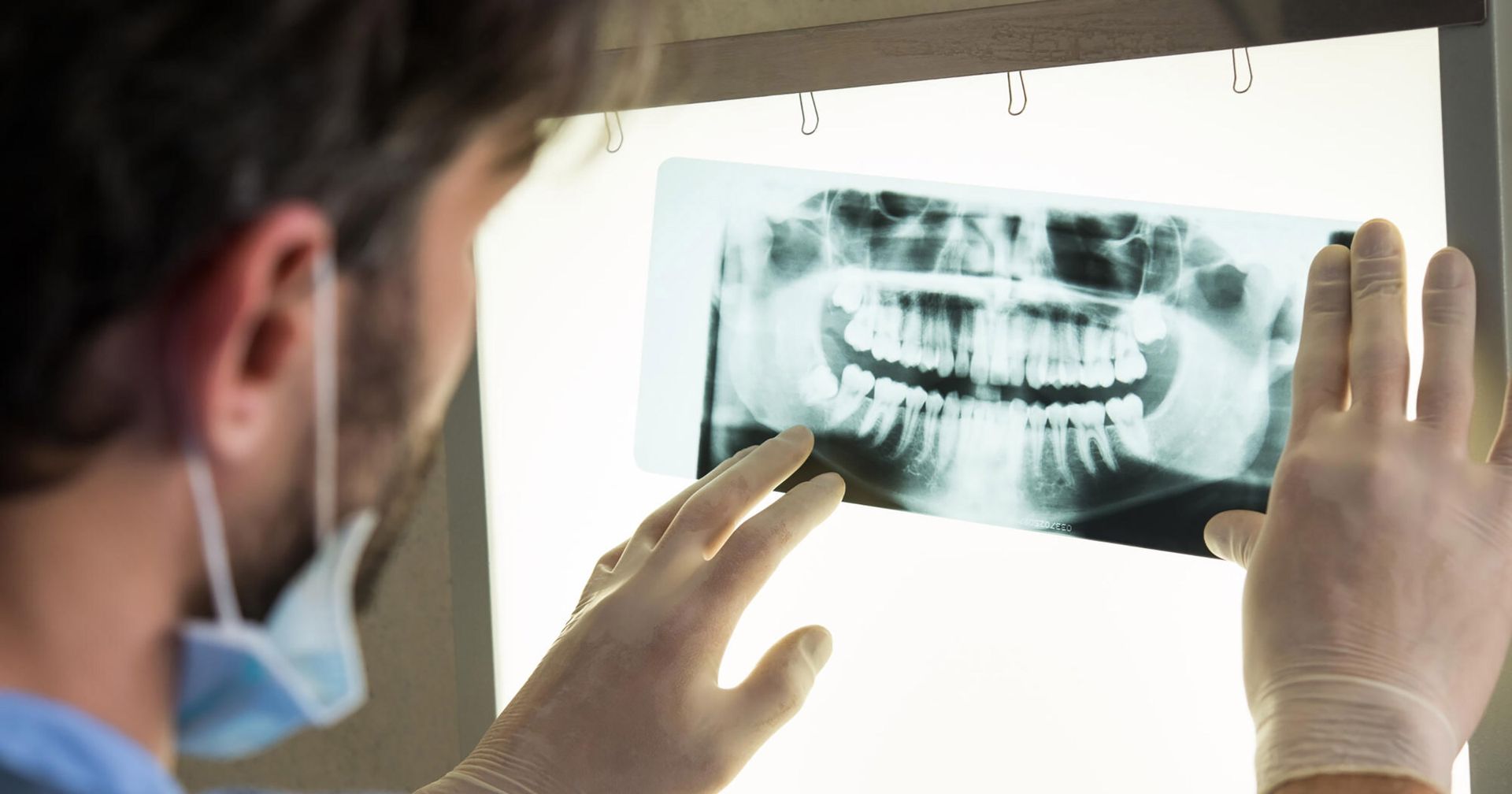
- Initial Consultation: Dr. Tabas will conduct a thorough examination, which may include X-rays or 3D imaging, to evaluate the condition of your jawbone and determine if a sinus lift is needed.
- Sinus Lift (if required): If your bone density is insufficient, a sinus lift will be performed to raise the sinus membrane and add bone graft material. This procedure usually requires 4-6 months of healing time.
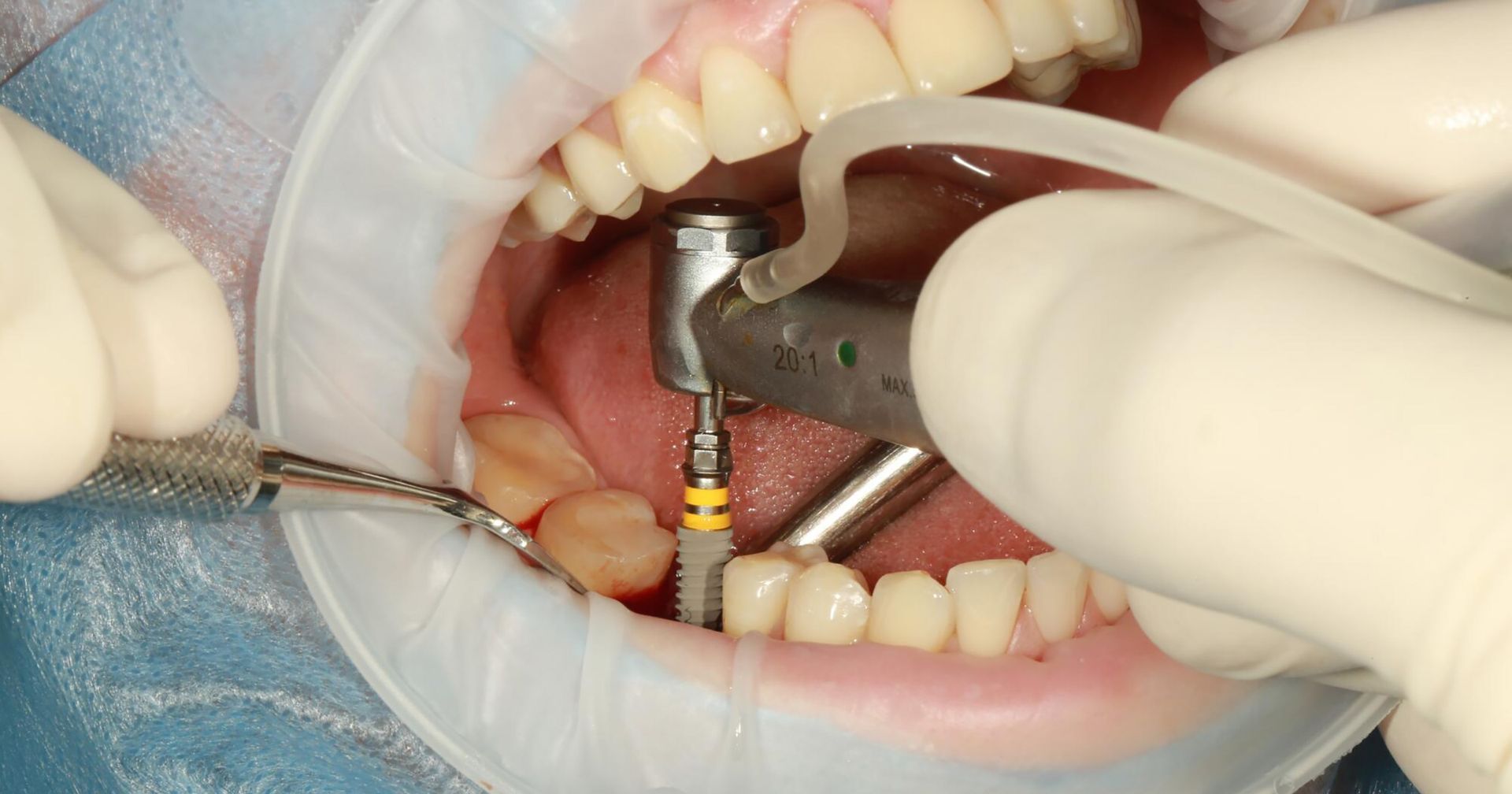
- Implant Placement: After your sinus lift has healed and your bone has integrated with the graft, Dr. Tabas will place the titanium implant into the jawbone. The procedure is performed under local anesthesia, and most patients report minimal discomfort.
- Healing and Osseointegration: The implant will need 3-6 months to fully fuse with the jawbone through osseointegration.
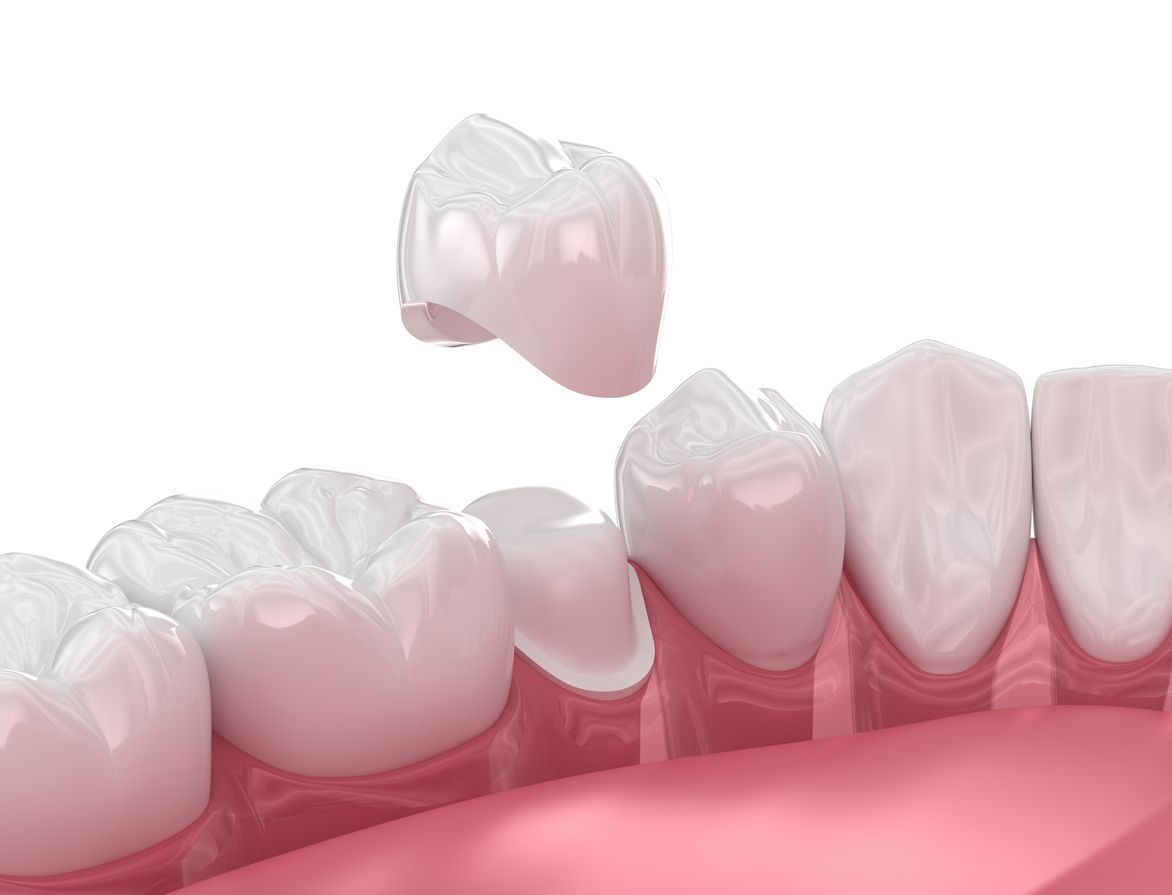
- Crown Placement: Once healing is complete, a custom crown is placed on top of the implant, completing the restoration.
Throughout the process, Dr. Tabas will work closely with you to ensure that your experience is as comfortable as possible and that the final result is both functional and aesthetically pleasing.
What to Do Before Dental Implant Surgery
Before undergoing dental implant surgery, it’s important to take a few key steps to ensure a smooth procedure and recovery:
- Consult with Your Dentist: During your initial consultation, Dr. Tabas will review your medical history and discuss your expectations for the procedure. Be sure to ask about any concerns, such as pain management or post-operative care.
- Follow Pre-Op Instructions: Your dentist may provide specific instructions, such as avoiding certain medications or fasting before the surgery.
- Arrange Transportation: If you’re undergoing sedation or general anesthesia, arrange for a friend or family member to drive you to and from the appointment.
- Prepare for Recovery: Set up a recovery area at home where you can rest comfortably. Stock up on soft foods, over-the-counter pain relievers, and any prescribed medications.
The Benefits of Dental Implants
Dental implants offer a variety of benefits that make them the preferred choice for many patients. Some of the top benefits include:
- Improved Appearance: Dental implants look and function like natural teeth, giving you a smile that you can feel confident about.
- Durability and Longevity: With proper care, dental implants can last a lifetime, making them a cost-effective option in the long run.
- Stability and Comfort: Unlike dentures, which can slip or irritate the gums, implants are fixed in place, providing a secure and comfortable fit.
- Bone Preservation: Implants stimulate the jawbone, preventing bone loss and helping to preserve facial structure.
- Improved Functionality: Implants allow you to eat, speak, and smile with ease, without worrying about dentures slipping or falling out.
How Long Do Dental Implants Last?
Dental implants are a long-term solution for missing teeth, and with proper care, they can last a lifetime. Regular dental check-ups with Dr. Tabas, good oral hygiene, and avoiding harmful habits like smoking are key factors in ensuring the longevity of your implants.
Dental Implants vs. Bridges
While both dental implants and bridges can restore missing teeth, implants have several advantages:
- Stability: Implants are securely anchored in the jawbone, while bridges rely on adjacent teeth for support.
- Longevity: Implants are designed to last a lifetime, while bridges typically need to be replaced every 5-15 years.
- Bone Preservation: Implants stimulate the jawbone, helping to preserve bone structure, whereas bridges do not prevent bone loss.
How to Choose the Right Dentist for Dental Implants
Choosing the right dentist for your dental implants is crucial for achieving the best results. Look for a dentist with experience in implant dentistry and who offers a personalized, patient-centered approach. Dr. Tabas is known for his expertise in dental implants and sinus lifts, and his practice in South Philadelphia has earned a reputation for providing high-quality care in a comfortable and welcoming environment.
Full Mouth Reconstruction
For patients who need multiple implants or have severe dental issues, full mouth reconstruction may be necessary. This comprehensive treatment plan can combine dental implants, sinus lifts, bone grafts, and other restorative procedures to restore both the function and appearance of your smile.
Different Types of Implants
Dental implants come in several varieties, each designed for specific needs:
- Endosteal Implants: These are the most common type and are placed directly into the jawbone.
- Subperiosteal Implants: Placed under the gum tissue but above the jawbone, these are used for patients with insufficient bone for endosteal implants.
Different Types of Dental Surgery
Various types of dental surgeries may be involved in preparing for implants:
- Bone Grafting: This procedure adds bone to the jaw to provide a stable base for implants.
- Sinus Lift: Used to add bone to the upper jaw and prepare the sinus cavity for implant placement.
- Soft Tissue Grafting: Repairs or enhances the gum tissue around the implant.
Frequently Asked Questions (FAQ)
1. Is a sinus lift painful?
A sinus lift is typically performed under local anesthesia, so you should not feel any pain during the procedure. Post-operative discomfort can be managed with prescribed pain relievers.
2. How long does recovery take?
Recovery from a sinus lift usually takes 4-6 months, as the bone graft material needs time to integrate with your natural bone. Full healing can take longer, depending on individual factors.
3. Can I get implants immediately after a sinus lift?
No, a period of healing is required after the sinus lift to ensure that the bone integrates properly with the graft material. Implants are typically placed after 3-6 months of healing.
4. Are dental implants covered by insurance?
Dental implants may be partially covered by insurance, but coverage varies depending on your plan. Be sure to check with your provider before proceeding.
5. How can I ensure the longevity of my dental implants?
To maximize the lifespan of your implants, maintain good oral hygiene, avoid smoking, and attend regular check-ups with Dr. Tabas to monitor the condition of your implants.