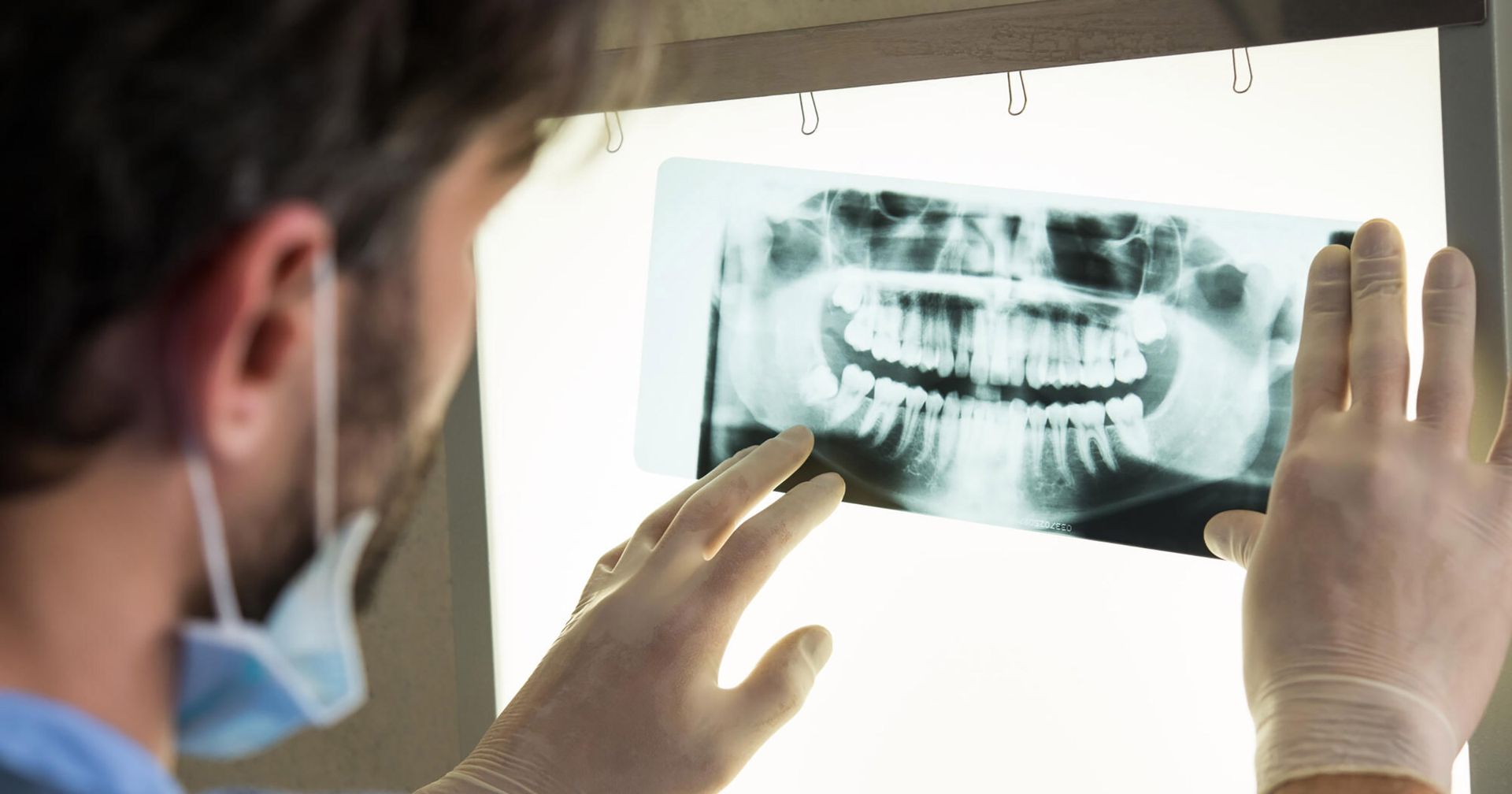
Understanding the Risks: Navigating Dental Implants Safely
Dental implants have transformed modern dentistry, offering a long-lasting and natural-looking solution for missing teeth. For working adults in South Philadelphia seeking a dependable, permanent tooth replacement, implants are often the gold standard. But, like any medical procedure, they involve considerations, risks, and decisions that require careful planning.
This guide will walk you through everything you need to know—from the dental implant process and costs to choosing the right implant dentist—so you can move forward with confidence.
What Are Dental Implants and Why Do They Matter?
Dental implants are titanium posts surgically placed into the jawbone to act as artificial tooth roots. Once healed, they support crowns, bridges, or dentures that look, feel, and function like natural teeth.
For adults over 29 balancing busy careers and personal lives, implants offer a reliable, low-maintenance solution that restores both oral health and confidence.
Missing teeth do not just affect your smile—they can lead to bone loss, shifting teeth, and long-term oral health complications. Dental implants help prevent these issues while improving daily comfort and function.
Who Is a Candidate for Dental Implants?
Most healthy adults are candidates for dental implants, but certain factors influence eligibility.
Ideal Candidates Typically Have:
- One or more missing teeth
- Healthy gums
- Adequate jawbone density
- Good overall health
Even if you have been told you are not a candidate in the past, advances in oral surgery—like bone grafting—may make implants possible.
Choosing the Right Implant Dentist in South Philadelphia
Not all dental providers offer the same level of expertise in implants. Choosing the right dentist is one of the most important decisions you will make.
What to Look For:
- Extensive experience in implant dentistry and oral surgery
- Advanced training and continuing education
- Use of modern technology (digital imaging, guided surgery)
- Comprehensive care under one roof
A trusted local provider will also take time to explain your options, answer questions, and create a personalized treatment plan that fits your lifestyle.
Benefits of Dental Implants
Dental implants offer a wide range of advantages over traditional tooth replacement options.
Key Benefits Include:
- Natural appearance and feel
- Improved chewing and speech
- Prevention of bone loss
- Long-lasting results
- No impact on surrounding teeth
Unlike dentures, implants do not slip or require adhesives. They function just like natural teeth, allowing you to eat, speak, and smile with confidence.
How Dental Implants Improve Overall Health
Dental implants do more than restore your smile—they play a vital role in supporting your overall health and well-being.
One of the most immediate benefits is improved chewing ability. Missing teeth or ill-fitting dentures can make it difficult to eat certain foods, leading many people to avoid nutritious options like fresh fruits, vegetables, and lean proteins. Dental implants restore full function, allowing you to maintain a balanced, healthy diet.
Speech is another important factor. Gaps in your smile or unstable dentures can affect how you pronounce words, leading to frustration in both personal and professional settings. Implants provide a stable, natural-feeling solution that helps you speak clearly and confidently.
There is also a strong connection between oral health and systemic health. Missing teeth and poor oral function can increase the risk of gum disease, which has been linked to conditions such as heart disease and diabetes. By restoring your smile with dental implants, you are also supporting better long-term health outcomes.
Mental and emotional well-being should not be overlooked either. Many patients report a significant boost in confidence and self-esteem after completing their implant treatment. Whether you are attending meetings, social events, or simply smiling in photos, feeling secure in your appearance can make a meaningful difference in daily life.
Finally, dental implants help maintain the natural structure of your face by preventing bone loss. This not only supports oral health but also contributes to a more youthful, healthy appearance over time.
How Long Do Dental Implants Last?
With proper care, dental implants can last 20 years or more—and often a lifetime.
The crown attached to the implant may need to be replaced after 10–15 years due to normal wear, but the implant itself is designed for durability.
Good oral hygiene, regular dental visits, and avoiding habits like smoking significantly improve longevity.
Dental Implant Costs and Financing Options
One of the most common concerns is cost. Dental implants are an investment in your long-term oral health, and pricing can vary based on several factors.
Factors That Affect Cost:
- Number of implants needed
- Complexity of the case
- Need for additional procedures (bone grafting, extractions)
- Type of restoration
While implants may have a higher upfront cost compared to dentures or bridges, they often prove more cost-effective over time due to their durability.
Financing Options
Many dental practices offer flexible financing plans to make treatment more accessible. Options may include:
- Monthly payment plans
- Third-party financing
- Insurance coordination
Discussing financial options during your consultation can help you plan confidently.
How to Prepare for Your Dental Implant Procedure
Preparation is key to a smooth and successful experience.
Before Your Procedure:
- Follow all pre-operative instructions from your dentist
- Arrange transportation if sedation is used
- Avoid eating or drinking if advised
Aftercare Planning:
- Stock up on soft foods
- Plan for a few days of reduced activity
- Follow post-surgical care instructions carefully
Proper preparation helps minimize discomfort and supports faster healing.
The Dental Implant Process: Step-by-Step
Understanding the dental implant process can help reduce anxiety and ensure you are fully prepared.
Initial Consultation and Evaluation
Your journey begins with a comprehensive dental exam. This may include digital imaging and a review of your medical history to determine if you are a suitable candidate.
Treatment Planning
A personalized plan is created based on your needs. This includes the number of implants required, timeline, and any preparatory procedures such as bone grafting.
Implant Placement (Oral Surgery)
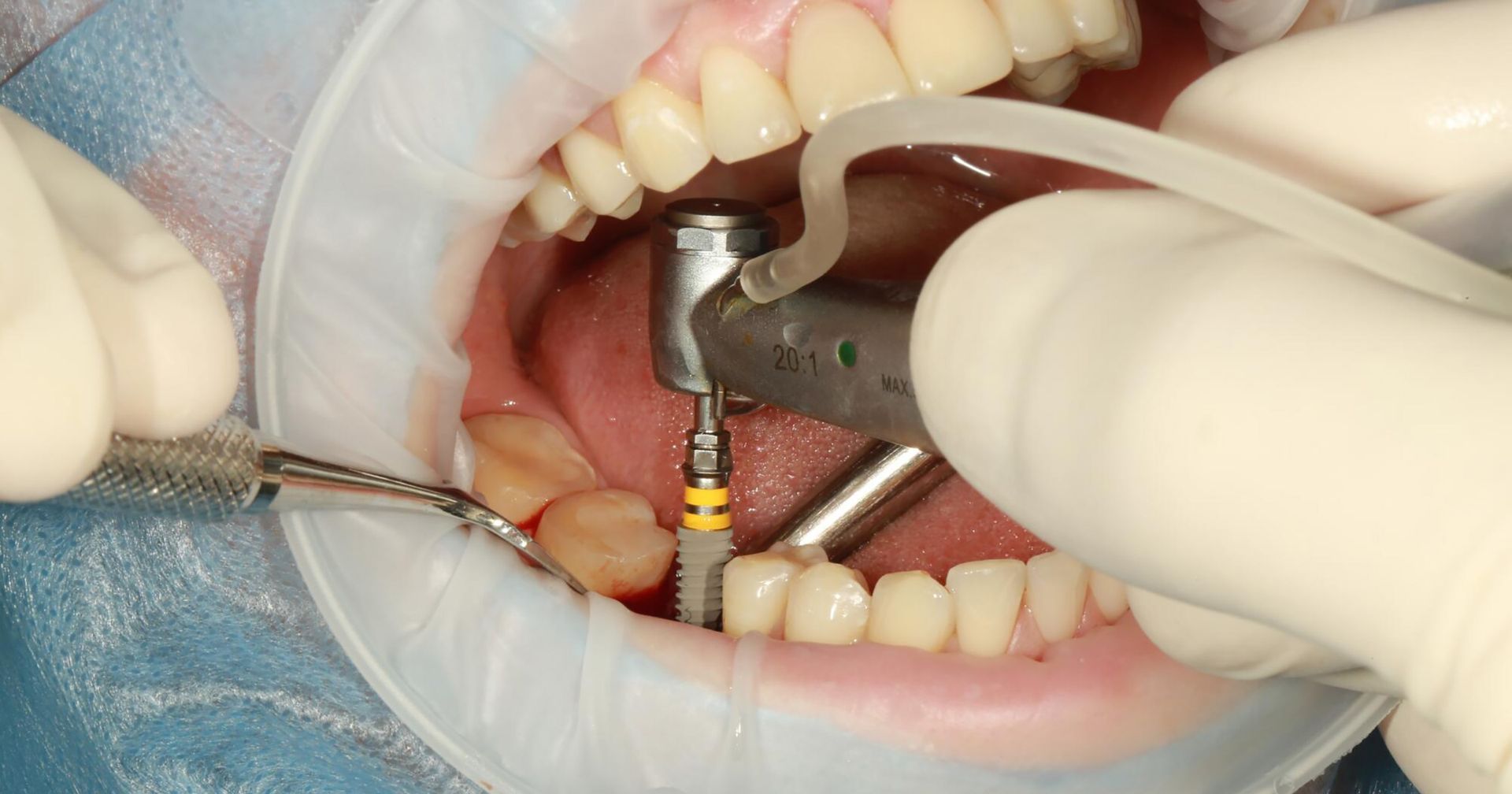
The implant is surgically placed into the jawbone. This procedure is typically performed under local anesthesia and is more comfortable than many patients expect.
Healing and Osseointegration
Over the next few months, the implant fuses with the bone in a process called osseointegration. This step is critical for long-term stability.
Abutment and Restoration
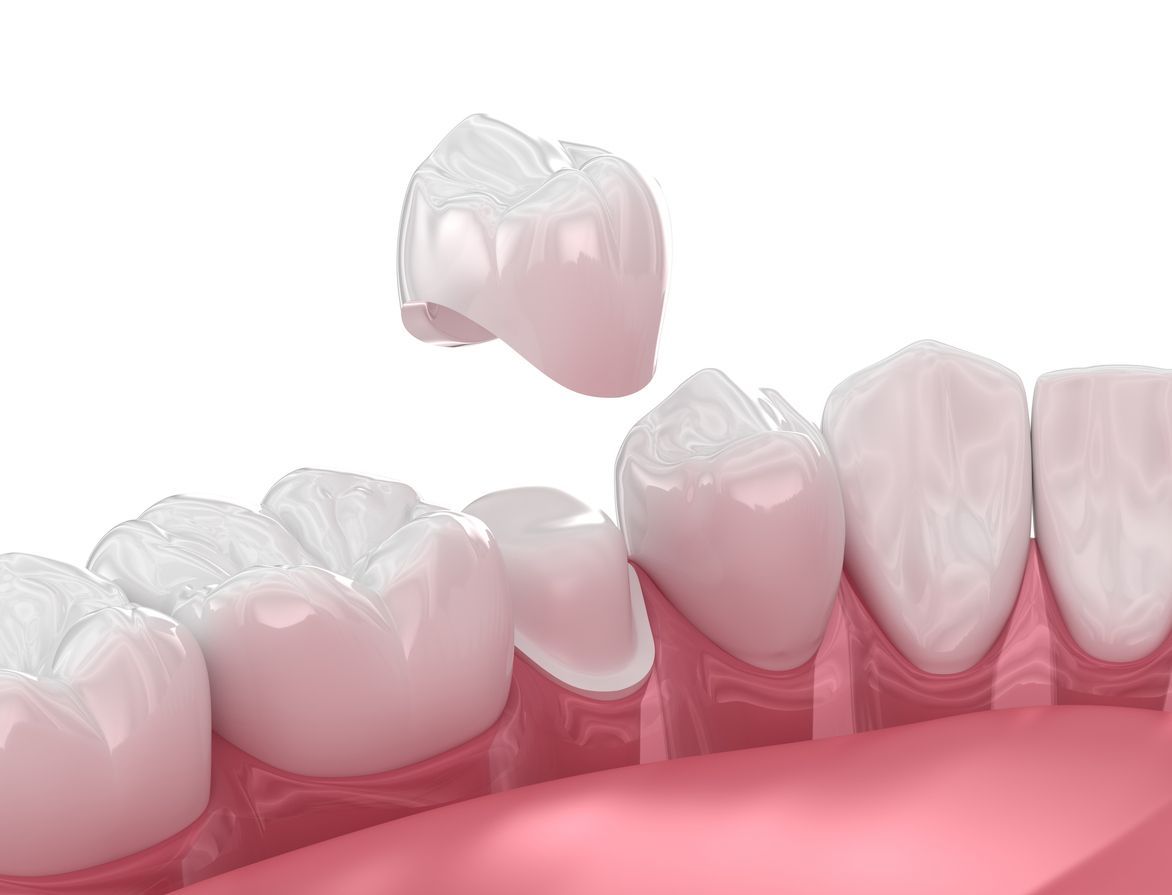
Once healed, a connector (abutment) is placed, followed by a custom crown or prosthetic tooth.
Pros and Cons of Dental Implants
Like any treatment, dental implants come with both advantages and considerations.
Pros:
- Permanent and stable solution
- Natural look and feel
- Protects the jawbone and facial structure
- High success rate
Cons:
- Higher initial cost
- Requires oral surgery
- The healing period can take several months
- Not suitable for all patients without preparatory procedures
Understanding these factors helps you make an informed decision aligned with your goals.
Potential Risks and How to Navigate Them Safely
Dental implants are considered very safe, with success rates above 95%. However, as with any surgical procedure, there are risks.
Possible Risks Include:
- Infection at the implant site
- Implant failure due to poor integration
- Nerve damage (rare)
- Sinus complications (for upper jaw implants)
How to Reduce Risks:
- Choose an experienced implant dentist
- Follow all aftercare instructions
- Maintain excellent oral hygiene
- Attend regular follow-up visits
Working with a skilled provider significantly lowers the likelihood of complications.
Why Replacing Missing Teeth Early Matters
When it comes to missing teeth, timing matters more than many patients realize. While it may be tempting to delay treatment, especially with a busy work schedule, waiting too long can lead to more complex—and costly—oral health issues.
One of the most significant concerns is bone loss. When a tooth is missing, the jawbone no longer receives stimulation from chewing. Over time, this causes the bone to deteriorate, which can impact your facial structure and make future dental implant placement more challenging. In some cases, additional procedures like bone grafting may be required before implants can even be considered.
Beyond bone health, missing teeth can also cause the surrounding teeth to shift. This movement can create bite misalignment, uneven wear, and even jaw discomfort. What starts as a single missing tooth can quickly evolve into a more widespread dental issue.
There is also an aesthetic component. Tooth loss can gradually lead to a sunken or aged facial appearance, particularly if multiple teeth are missing. For working professionals in South Philadelphia, this can impact both confidence and first impressions.
From a financial standpoint, early intervention is often more cost-effective. Addressing tooth loss promptly with dental implants can help you avoid additional procedures and more extensive restorative work down the line.
In short, replacing missing teeth sooner rather than later helps preserve your oral health, protects your smile, and simplifies your treatment journey.
Dental Implants vs. Other Tooth Replacement Options
When comparing implants to alternatives like dentures or bridges, the differences are clear.
Dental Implants:
- Permanent
- Preserve bone structure
- No impact on adjacent teeth
Dental Bridges:
- Fixed but relies on neighboring teeth
- May need replacement over time
Dentures:
- Removable
- Less stable
- Can contribute to bone loss
For many working adults, implants provide the most reliable and natural-feeling solution.
Frequently Asked Questions (FAQ)
Are dental implants painful?
Most patients report minimal discomfort. The procedure is performed under anesthesia, and post-operative pain is typically manageable with over-the-counter medication.
How long does the entire process take?
The full process can take several months, depending on healing time and whether additional procedures are needed.
Can smokers get dental implants?
Smoking can affect healing and increase the risk of implant failure. Your dentist may recommend quitting or reducing smoking before treatment.
Are dental implants safe?
Yes, dental implants are a well-established and safe procedure with a high success rate when performed by experienced professionals.
What if I have had missing teeth for years?
Even long-term tooth loss can often be treated with implants, though bone grafting may be required.
How do I care for dental implants?
Care for them just like natural teeth—brush, floss, and visit your dentist regularly.
Take the Next Step Toward a Healthier Smile
Dental implants offer a powerful solution for restoring your smile, improving oral health, and enhancing your quality of life. While it is important to understand the risks and process, working with a trusted implant dentist ensures a safe and successful experience.
If you are in South Philadelphia and considering dental implants, now is the time to explore your options. A personalized consultation can help you determine if implants are right for you—and set you on the path to a confident, lasting smile.